


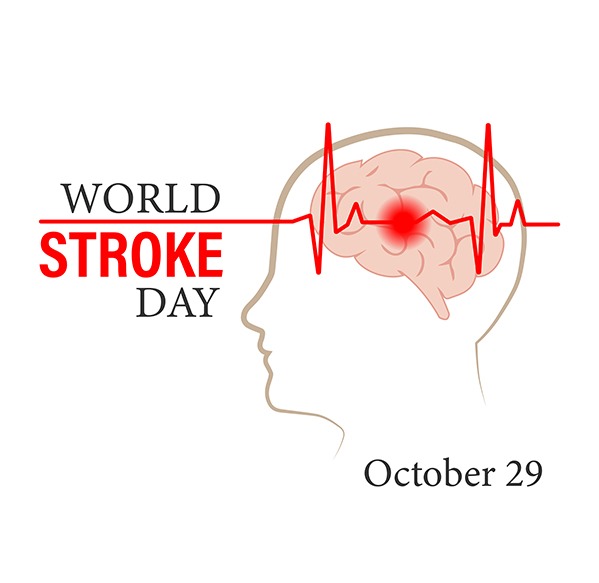
What families need to understand about stroke, delayed action, common misconceptions, and protecting brain health Every year on 29 October, World Stroke Day brings attention to one of the world’s most serious neurological health challenges. Awareness campaigns remind people to recognise facial drooping, arm weakness, and speech difficulties. These messages are important, but they raise a larger question: Does recognising a possible stroke always translate into knowing what to do next? Imagine a family member suddenly struggling to find the right words during a conversation.
A few minutes later, their speech returns to normal. Relieved, the family decides to observe them at home rather than seek emergency medical attention. The symptoms may have disappeared, but the reason behind them remains unknown. This is where stroke awareness needs to go further. Knowing the warning signs is only the beginning. Understanding why symptoms occur, why even temporary changes matter, how to respond safely, and what can be done to reduce future risk can make awareness more useful in everyday life.
Stroke Is a Brain Emergency, Not Just a Set of Symptoms
A stroke occurs when blood flow to part of the brain is interrupted or when a blood vessel in the brain ruptures. An ischaemic stroke happens when a blood vessel supplying the brain becomes blocked, restricting the oxygen and nutrients needed by brain cells. A haemorrhagic stroke occurs when a blood vessel ruptures, causing bleeding in or around the brain. Although both conditions affect the brain, their medical management differs significantly. Determining the type of stroke requires urgent clinical evaluation, usually including brain imaging.
The effects of a stroke also depend on which part of the brain is affected. Some people develop weakness or difficulty speaking, while others may experience problems with balance, vision, coordination or understanding language. Recognising these changes is important. Equally important is understanding that the appearance of symptoms alone cannot establish the type or severity of a stroke. A person who remains conscious, can walk or appears comfortable may still be experiencing a serious neurological emergency.
When Symptoms Disappear, the Concern Should Not
One of the most easily misunderstood situations is a brief episode of stroke-like symptoms that resolves without treatment. A person may suddenly experience weakness in one arm, difficulty speaking or a temporary loss of vision. Within minutes, the symptoms may improve or disappear completely. It can be tempting to attribute the episode to tiredness, low blood pressure or temporary weakness. However, such an episode may indicate a transient ischaemic attack (TIA), which occurs when blood supply to part of the brain is temporarily disrupted. TIAs can cause symptoms similar to those of a stroke and are associated with an increased risk of a future stroke. The challenge is that a TIA and an evolving stroke cannot be reliably distinguished at home. Even when symptoms disappear, urgent medical assessment is necessary. Not every short-lived neurological symptom is a TIA. Other medical conditions can produce similar changes. But this uncertainty is precisely why professional evaluation matters.
A return to normal does not, by itself, establish that the episode was harmless.
Why Do People Delay Seeking Help?
Delayed action during a suspected stroke does not always happen because people are unaware of the symptoms. Sometimes, the warning signs are recognised but their significance is underestimated. A family may decide to wait because the person says they feel better. Someone may assume that dizziness or confusion is related to exhaustion. Others may first contact relatives, search online for an explanation or attempt home remedies. Another common misunderstanding is that a stroke must cause dramatic symptoms, such as sudden collapse or complete paralysis. In reality, stroke symptoms can vary considerably. A person may remain awake and responsive while experiencing a sudden neurological deficit. Sudden difficulties with balance, unexplained loss of vision, trouble understanding speech or a severe headache unlike previous headaches can also signal a potentially serious condition. Not every episode of dizziness, headache or blurred vision is caused by a stroke. However, sudden or unusual symptoms, particularly when accompanied by other neurological changes, should not be casually dismissed. Families do not need to determine the diagnosis before seeking emergency assistance.
What Families Should Actually Do During a Suspected Stroke
When a stroke is suspected, the priority is to arrange emergency medical assistance rather than attempt to confirm the condition at home. In India, emergency assistance can be requested through 112, the national emergency response number. The ambulance emergency number 108 is also used in many states. While arranging help, a few practical steps can support safer emergency care.
Note when the symptoms began. If the exact time is unknown, record when the person was last known to be well. This information can help the medical team assess possible treatment options.
Keep the person safe and supervised. Avoid unnecessary movement, particularly if they are weak, dizzy or struggling to maintain balance. Follow the emergency operator’s instructions.
Do not offer food or drinks. Stroke can sometimes affect swallowing, increasing the risk of choking or aspiration.
Do not give aspirin or other medicines on your own. Because some strokes involve bleeding, medication that affects clotting may be harmful unless a qualified healthcare professional determines that it is appropriate.
Share relevant medical information. If readily available, inform the emergency team about the person’s existing illnesses, medications, particularly blood thinners, and any recent medical events.
If symptoms improve before help arrives, do not cancel the emergency assessment. Equally important, a person experiencing possible stroke symptoms should not drive themselves to a hospital. Emergency transport is preferable whenever available. These steps cannot treat a stroke, but they can help families avoid actions that may create additional risks.
Why Stroke Awareness Must Include Prevention
Stroke awareness often receives the most attention when an emergency occurs. Yet protecting brain health also involves understanding the risks that develop over months and years. High blood pressure is among the most important modifiable risk factors for stroke. It may remain unnoticed because it often causes no obvious symptoms. Over time, uncontrolled blood pressure can damage blood vessels and increase the likelihood of both ischaemic and haemorrhagic strokes. Diabetes, elevated cholesterol, tobacco use, physical inactivity and certain heart conditions also contribute to stroke risk.
One such heart condition is atrial fibrillation, an irregular heart rhythm that can allow blood clots to form in the heart. If a clot travels to the brain and blocks an artery, it can cause an ischaemic stroke. Age and family history may influence risk, but stroke is not restricted to older adults. Younger people can also experience strokes. This is why prevention should not depend on whether someone feels unwell. Regular blood pressure assessment, appropriate management of diabetes and cholesterol, tobacco avoidance, balanced nutrition, physical activity and evaluation of relevant heart conditions can help reduce stroke risk. Preventive medicines, when indicated, should be taken according to medical advice. People should not begin or stop aspirin, blood thinners or blood pressure medicines independently. Stroke prevention is not a single test or an occasional health resolution. It involves sustained attention to cardiovascular and neurological health.
The Effects of Stroke May Extend Beyond What Others Can See
When people think about stroke, physical disability is often the first consequence that comes to mind. However, the brain also controls attention, memory, communication, behaviour and emotional responses. Depending on the affected region, stroke can disrupt some of these functions. A survivor may regain physical independence but continue to experience difficulty concentrating, processing information or managing everyday tasks. Some individuals develop fatigue that is difficult for others to understand. Others experience emotional changes, communication difficulties or problems with memory. These effects are not identical for everyone, and recovery varies from person to person. Understanding this is particularly important for families and caregivers. Recovery may involve more than regaining strength or movement. Depending on individual needs, rehabilitation may include physiotherapy, occupational therapy, speech and language therapy, psychological support and continued medical follow-up. The objective is not simply to recognise disability but to understand how neurological changes can affect a person’s daily life and what forms of support may be appropriate.
Five Questions Every Family Should Be Able to Answer
World Stroke Day provides an opportunity to think beyond remembering the warning signs. It is worth asking whether the people in our homes know the answers to a few practical questions.
1. Would we recognise a sudden change in speech, movement, vision, or balance as a possible medical emergency?
Ans: Recognising symptoms beyond the most familiar signs can improve awareness of different stroke presentations.
2. Would we seek emergency help even if the symptoms disappeared?
Ans: Temporary improvement does not rule out a serious neurological event.
3. Do we know whom to contact in an emergency?
Ans: Keeping emergency contact information accessible can reduce confusion when urgent assistance is needed.
4. Do we know the major stroke risk factors within our family?
Ans: Awareness of existing conditions such as hypertension, diabetes, and heart rhythm disorders can encourage appropriate ongoing medical care.
5. Do we understand that stroke recovery may involve physical, cognitive, and emotional changes?
Ans: Recognising less visible difficulties can help families provide more informed and compassionate support.
These questions turn stroke awareness from information people have heard into knowledge they can apply when needed.
This World Stroke Day, Awareness Should Lead to Understanding
World Stroke Day is a reminder that protecting brain health requires more than remembering a few warning signs. It requires recognising that sudden neurological changes can be serious even when they are subtle. It requires understanding that symptoms disappearing does not always mean the danger has passed. It also means knowing how to respond safely, avoiding harmful assumptions and taking preventable risk factors seriously. Families cannot be expected to diagnose a stroke. That responsibility belongs to qualified healthcare professionals. But families can recognise when something is wrong, seek emergency assistance promptly, communicate useful information, and support healthier decisions over time.
The real value of stroke awareness lies not only in what people recognise, but also in what they understand and how they respond.
[Read More: Emergency hospital near Vanasthalipuram – Expert Care 24/7 Support Now]
Medical information disclaimer: This blog is intended for general public-health education and does not replace individual medical advice, diagnosis, or treatment. If a stroke is suspected, seek emergency medical assistance immediately, even if symptoms improve or disappear.