


The monsoon brings welcome relief from the scorching summer heat, but it also increases the risk of infections, fluctuating blood sugar levels, and blood pressure complications. If you are living with diabetes or high BP, the rainy season demands extra attention to your health. Following the right monsoon precautions for diabetes and high blood pressure can help you stay healthy, prevent complications, and enjoy the season without worry.
At Bhrungi Hospitals, one of the most trusted multi-speciality hospitals in Hyderabad, we believe that prevention is the first step towards better health. Our experienced specialists provide comprehensive care and personalized guidance to help patients with diabetes and hypertension lead healthier lives throughout every season.
[Read More: Can Diabetics and BP Patients Eat Mangoes? A Complete Summer Fruit Guide]
Why Does the Monsoon Affect People Living with Diabetes or High BP?
People with diabetes often have reduced immunity, making them more susceptible to infections. Similarly, individuals with hypertension may experience fluctuations in blood pressure due to changes in weather, physical activity, and stress levels. This is why living with diabetes or high BP requires additional care during the monsoon months.
Monsoon Precautions for Diabetes and High Blood Pressure
Taking a few simple precautions can significantly reduce health risks during the rainy season.
Stay Hydrated
Although the weather feels cooler, your body still requires adequate hydration. Drink sufficient clean and safe water throughout the day to maintain healthy blood circulation and support kidney function. Avoid sugary beverages and excessive caffeinated drinks, which may affect blood sugar and blood pressure levels.
Eat Fresh, Home-Cooked Food
During the monsoon, food contamination becomes more common. Avoid street food, uncovered food, and stale leftovers that can increase the risk of stomach infections.
Choose nutritious meals that include:
- Fresh vegetables
- Whole grains
- Lean proteins
- Seasonal fruits recommended by your doctor
- Low-salt, low-sugar options
Monitor Blood Sugar and Blood Pressure Regularly
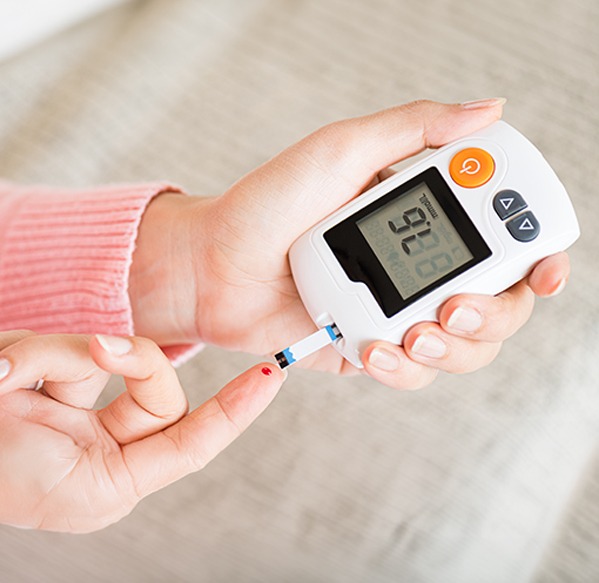
One of the most important precautions while living with diabetes or high BP is regular monitoring.
Keep track of:
- Blood sugar readings
- Blood pressure levels
- Medication schedule
- Any unusual symptoms
Early detection of changes allows your doctor to adjust treatment before complications develop.
Protect Yourself from Seasonal Infections
People with diabetes have a higher risk of developing infections that may worsen blood sugar control.
Maintain Good Hygiene
Wash your hands frequently, keep your surroundings clean, and avoid contact with contaminated water whenever possible.
Care for Your Feet
Foot care is especially important for diabetic patients during the monsoon. Wet shoes and socks can lead to fungal infections or wounds that heal slowly.
Don’t Skip Your Physical Activity
Rainy weather often disrupts outdoor exercise routines. However, staying active is essential for maintaining healthy blood sugar and blood pressure levels.
Simple indoor activities include:
- Walking indoors
- Yoga
- Stretching exercises
- Light strength training
- Stationary cycling
Aim for at least 30 minutes of physical activity on most days after consulting your healthcare provider.
Recognize Warning Signs That Need Medical Attention
Do not ignore symptoms that may indicate worsening health.
Seek immediate medical care if you experience:
- Persistently high blood sugar levels
- Very high or very low blood pressure
- Chest pain
- Severe headache
- Difficulty breathing
- Dizziness or fainting
- Swelling in the legs
- Fever that does not improve
- Foot wounds or infections
Prompt treatment can prevent serious medical emergencies.
Healthy Lifestyle Tips During the Monsoon
Besides medications and regular monitoring, healthy lifestyle habits play a major role in managing diabetes and hypertension.
Prioritize Quality Sleep
Poor sleep can affect blood sugar regulation and increase blood pressure. Aim for 7–8 hours of restful sleep every night.
Manage Stress
Practice meditation, deep breathing exercises, or mindfulness techniques to reduce stress, which can impact both diabetes and hypertension.
Schedule Regular Health Check-ups
Routine consultations help monitor your condition and identify potential problems before they become serious.
Why Choose Bhrungi Hospitals?
At Bhrungi Hospitals, we understand that managing chronic conditions requires continuous support and expert care. As a trusted 100-bed multi-speciality hospital in Hyderabad, we are committed to delivering “Care You Deserve” through advanced medical technology, experienced specialists, and compassionate healthcare services.
Our dedicated team provides comprehensive care across Diabetes Management, Critical Care, Neurology, Pulmonology, Orthopaedics, Vascular Surgery, Laparoscopic Surgery, and several other specialties. From preventive health check-ups to emergency care and long-term disease management, we offer personalized treatment plans tailored to every patient’s needs. Bhrungi Hospitals continues to be a trusted healthcare destination for families seeking world-class medical care with a patient-first approach.