


Many women with PCOS notice a surprising shift in their symptoms as the temperature drops. What feels manageable during the rest of the year can suddenly become harder to control in winter. From unexpected weight gain to painful periods and intense mood fluctuations, the colder months often make PCOS feel more disruptive.
Continue reading till the end as our leading gynecologist in Vanasthalipuram breaks down the real reasons behind winter PCOS flare-ups and the best ways to manage them.
Why PCOS Symptoms Get Worse During Winter
Winter affects the body in subtle but powerful ways. For women with PCOS, these changes can lead to increased hormonal imbalance.
Here are the top reasons:
1. Reduced Sunlight → Low Vitamin D Levels
Vitamin D is a hormone-like nutrient essential for:
- Regulating insulin
- Supporting ovulation
- Reducing inflammation

During winter, sunlight exposure drops significantly.
This can cause:
- Higher insulin resistance
- Increased belly fat
- Irregular periods
- Worsening PCOS acne
Many women report low Vitamin D levels during December–January, which can directly affect hormone balance. Any gynaecologist often recommends simple lifestyle changes to help improve vitamin D naturally. Meanwhile, residents in Vanasthalipuram are increasingly becoming aware of how seasonal changes impact their overall health.
2. Increased Insulin Resistance
Cold weather slows metabolism and pushes the body to store more fat for insulation.
For women with PCOS, who already struggle with insulin sensitivity, this can lead to:
- More cravings (especially for carbs and sweets)
- Sudden weight gain
- Higher blood sugar levels
- Breakouts and hair fall
This is one major reason winter becomes a tricky season for PCOS management.
3. Lower Physical Activity
Shorter days often mean shorter routines.

Less activity results in:
- Increased insulin resistance
- Slower fat burn
- More fatigue
- Mood dips
PCOS already lowers metabolism, so this inactivity worsens hormonal imbalance even more.
4. Holiday Eating Patterns
Winter = festive foods + sugary treats + comfort eating.
While enjoyable, they can:
- Spike insulin
- Trigger inflammation
- Disrupt periods
- Worsen acne
Many doctors, including the top gynecologists in Vanasthalipuram, observe that winter dietary habits contribute heavily to seasonal PCOS flare-ups.
For more scientific insights on how seasonal changes impact PCOS and metabolism, this detailed medical resource offers helpful evidence-based guidance.
5. Stress & Seasonal Mood Changes
Cold months often bring:
- Mood swings
- Anxiety
- Mild seasonal depression
Stress leads to higher cortisol, which:
- Triggers weight gain
- Blocks ovulation
- Increases inflammation
For women with PCOS, this can feel like a “double impact” on hormones.
Common PCOS Symptoms That Worsen in Winter
Women often report these seasonal changes during check-ups:
- Irregular or delayed periods
- Sudden weight gain
- More facial hair or scalp hair fall
- Increased acne or oily skin
- Low energy levels
- Poor sleep
- More painful periods
- Low mood or irritability
These symptoms are common and manageable with the right lifestyle modifications.
If you’re unsure whether your symptoms are due to PCOS, PMS, or just seasonal stress, you may find our detailed guide helpful: PCOS, PMS, or Just Stress? How to Know What’s Going On.
Winter PCOS Management: Tips to Keep Your Hormones Balanced.
Here are simple, effective changes recommended by experts and trusted gynecologists in Vanasthalipuram.
1. Boost Your Vitamin D Intake
Spend 15–20 minutes in morning sunlight and Add Vitamin D-rich foods:
- Eggs
- Mushrooms
- Milk
- Fortified cereals
Consider Vitamin D supplements after consulting a doctor.
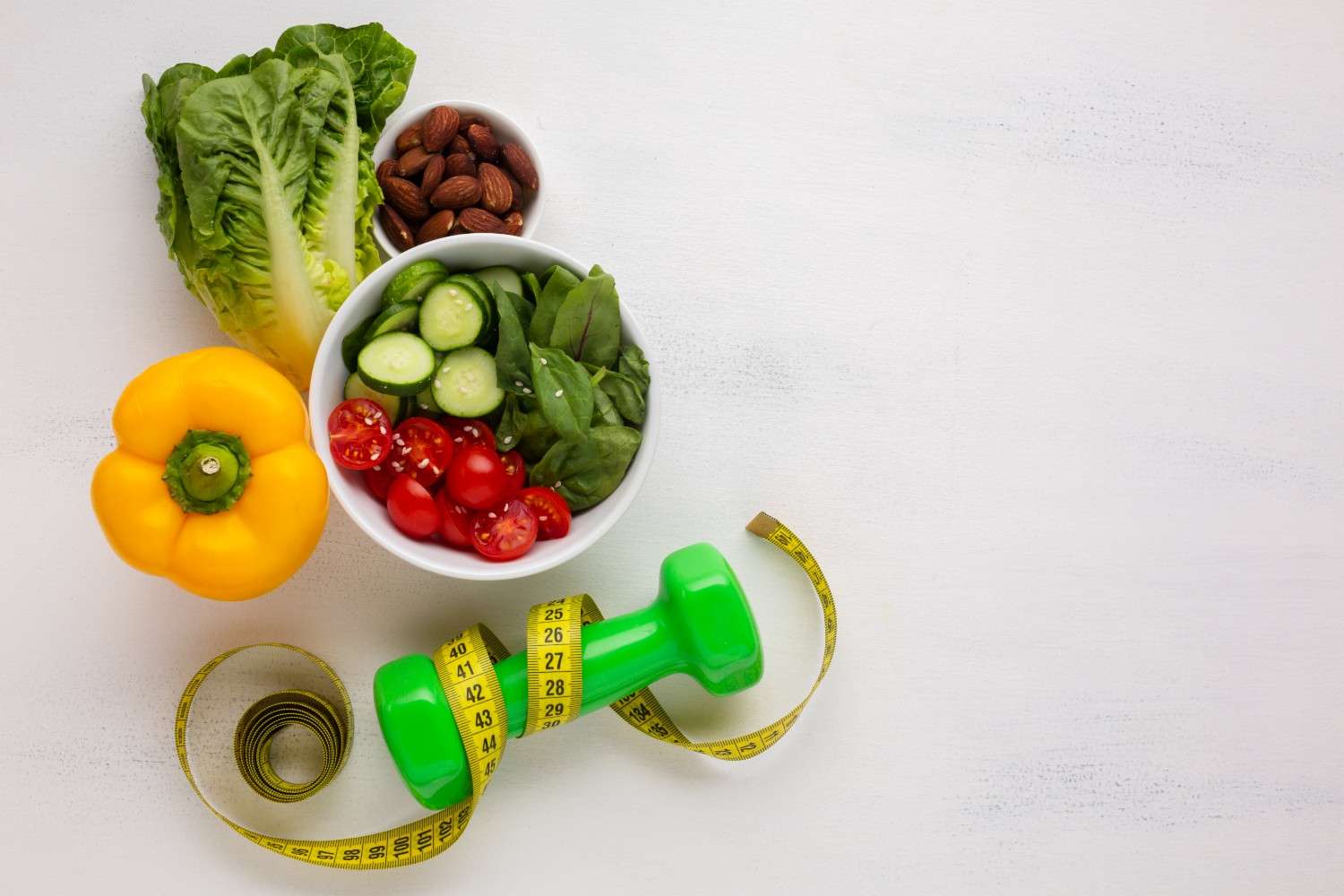
2. Prioritize Insulin-Friendly Diet
Focus on:
- High-fiber vegetables
- Lean proteins
- Healthy fats
- Low-GI foods (millets, brown rice, quinoa)
Avoid or reduce:
- Sugary snacks
- Refined carbs
- Fried foods
- Sweetened beverages
Quick winter tip: Add cinnamon, turmeric, and fenugreek — they naturally reduce insulin resistance.
3. Stay Active Even in Cold Weather
You don’t need a gym — simple routines work great:
- Home workouts (15–20 mins)
- Brisk walking
- Skipping
- Yoga or Surya Namaskar
- PCOS-focused Pilates
Movement is the fastest way to improve:
- Insulin sensitivity
- Mood
- Metabolism
- Hormone balance
4. Hydrate More Than You Think
Winter makes you feel less thirsty — but dehydration worsens:
- PCOS cramps
- Fatigue
- Bloating
- Acne
Drink:
- 2–3 liters of water
- Warm herbal teas
- Infused warm water (lemon, cinnamon, ginger)
5. Reduce Stress to Stabilize Hormones
Try:
- Deep breathing
- Meditation
- Evening walks
- Listening to calming music
- Warm baths
- Limiting screen time before sleep
These habits improve cortisol levels, which directly affect PCOS symptoms.
6. Sleep Early, Wake Early
Quality sleep helps regulate:
- Insulin
- Periods
- Appetite
- Mood
Aim for:
- 7–8 hours of uninterrupted sleep
- Fixed sleep schedule
- Avoid caffeine after 6 PM
7. Regular Checkups With Your Gynaecologist
- Hormone levels
- Vitamin deficiencies
- Weight fluctuations
- Ovarian health
- Insulin resistance
Regular follow-ups prevent complications and help find the right treatment plan.
Winter Diet Plan for PCOS (Simple & Effective)
Breakfast Options
- Vegetable upma or poha
- Millet dosa with chutney
- Oats with nuts and seeds
- Besan chilla
Lunch
- Brown rice / millet
- Dal + vegetables
- Curd (if it doesn’t cause bloating)
- Lean protein
Snacks
- Warm soups
- Roasted chana
- Nuts & seeds
- Green tea
Dinner
- Light and early
- Chapati + sabzi
- Vegetable khichdi
- Grilled paneer/chicken
When Should You Visit a Gynecologist?
You should consult a specialist if you notice:
- Irregular periods persist
- Sudden weight gain continues
- Excessive hair fall
- Severe acne flare-up
- Fertility planning concerns
- Intense cramps
Timely medical attention can make a big difference in managing PCOS and other hormonal issues. People often rely on a trusted gynecologist for guidance, while community programs in Vanasthalipuram help spread awareness about women’s health.